




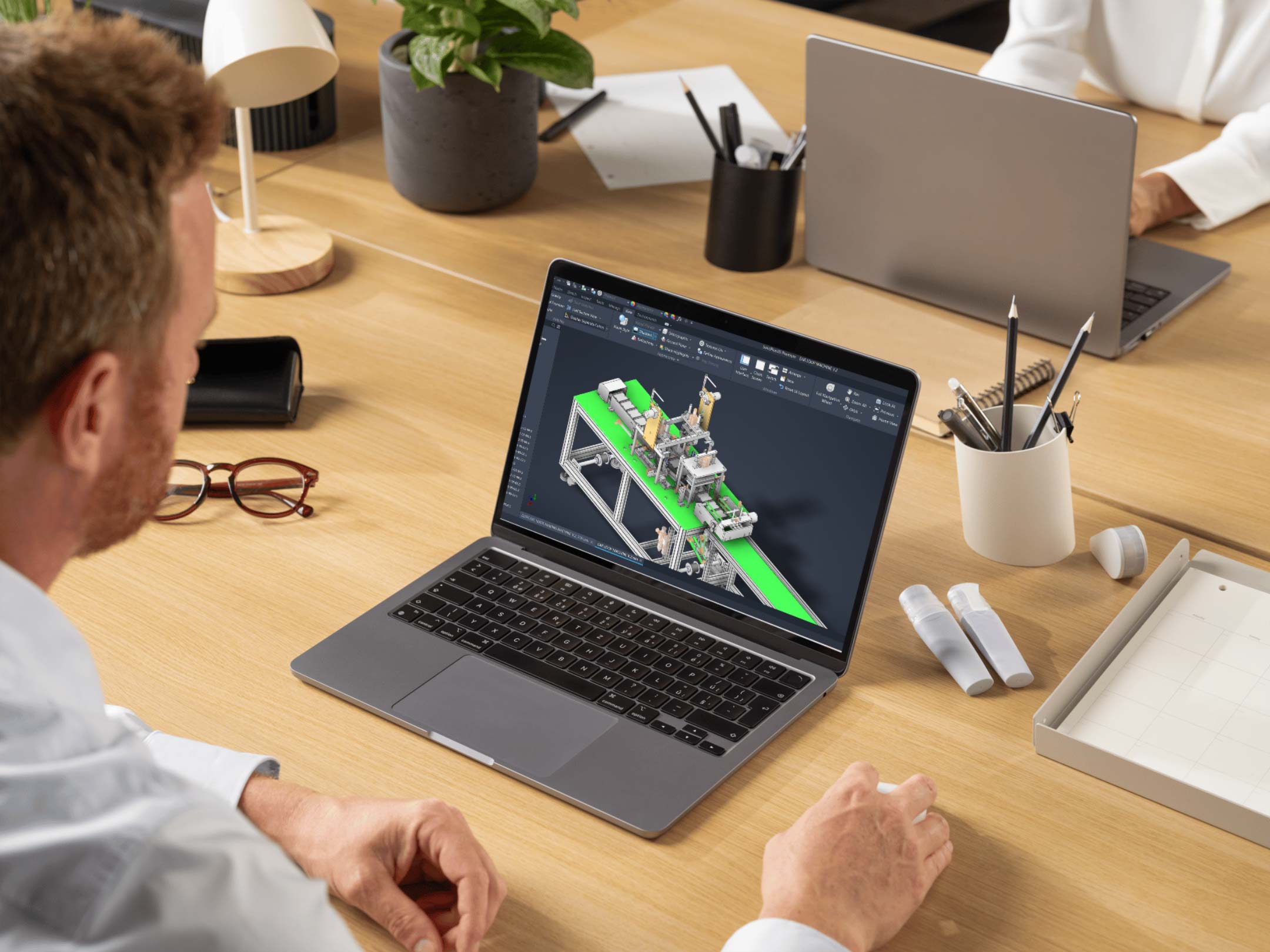
Engineering teams today face increasing pressure to develop products faster, reduce costs, improve quality, and deliver innovation in shorter timeframes. While CAD technologies have significantly improved design productivity over the past few decades, many engineering processes still rely on repetitive manual tasks that consume valuable time and resources.
This is where Design Automation is transforming the modern engineering landscape.
What is Design Automation?
Design automation refers to the use of software, rules, templates, algorithms, and intelligent workflows to automate repetitive engineering and design activities.
Instead of manually recreating designs, drawings, calculations, and documentation, engineers can leverage automation tools to generate accurate outputs automatically based on predefined rules and inputs.
The goal is simple:
Reduce repetitive work
Improve engineering consistency
Minimize human error
Accelerate product development
Free engineers to focus on innovation
Why Design Automation Matters More Than Ever
Manufacturing companies are facing several challenges:
Increasing product complexity
Shorter product development cycles
Growing demand for customization
Engineering talent shortages
Rising operational costs
Pressure to improve productivity
Traditional design methods often struggle to keep pace with these demands.
Design automation helps organizations overcome these challenges by standardizing engineering processes and dramatically reducing time spent on routine tasks.
Areas Where Design Automation Delivers Value
Automated Product Configuration
Many manufacturers produce products that follow standard design rules while varying in dimensions, capacities, or configurations.
Design automation can automatically generate:
Product variants
Configured assemblies
Engineering drawings
Bills of materials
Manufacturing documentation
This significantly reduces engineering effort while maintaining design consistency.
Automated Drawing Generation
Creating manufacturing drawings is often one of the most time-consuming engineering activities.
Modern automation systems can generate:
Part drawings
Assembly drawings
Section views
Dimensioning
Balloon annotations
BOMs
Automatically and consistently.
Intelligent BOM Creation
Bills of materials are critical to procurement and manufacturing.
Automation enables:
Instant BOM generation
Automatic quantity calculations
Standardized material lists
ERP integration
Reduced documentation errors
Helping organizations improve operational efficiency.
Engineering Calculations and Rule-Based Design
Design automation allows engineering rules and calculations to be embedded directly into workflows.
Examples include:
Structural sizing
Sheet metal calculations
Component selection
Material selection
Design validation checks
This ensures designs follow company standards while reducing manual engineering effort.
The Rise of CAD Customization
One of the fastest-growing trends in design automation is CAD customization.
Rather than forcing engineers to adapt to generic software workflows, companies are increasingly customizing CAD systems to match their specific products and processes.
Examples include:
Custom libraries
Design templates
Automated feature generation
Smart components
Workflow automation
Industry-specific applications
This approach creates significant productivity gains while preserving engineering knowledge within the organization.
The Impact of AI and Intelligent Automation
Artificial intelligence is beginning to play a larger role in design automation.
Modern systems can assist with:
Design recommendations
Geometry optimization
Automated error detection
Manufacturing feasibility analysis
Engineering knowledge reuse
While engineers remain central to decision-making, AI-powered tools are helping teams work faster and more efficiently than ever before.
Design Automation in Manufacturing
Today, design automation is being adopted across industries including:
Industrial machinery
Sheet metal fabrication
Structural engineering
Process equipment
Material handling systems
Automotive components
Consumer products
Organizations implementing automation often experience:
Faster design cycles
Reduced engineering costs
Improved design quality
Higher throughput
Better manufacturing readiness
The Future of Design Automation
The future of engineering will be increasingly driven by intelligent automation.
As CAD, simulation, PDM, ERP, and manufacturing systems become more connected, automation will extend across the entire product development lifecycle.
Engineers will spend less time on repetitive tasks and more time solving complex problems, developing innovative products, and creating value for customers.
The companies that embrace design automation today will be better positioned to compete in tomorrow’s increasingly digital manufacturing environment.
Conclusion
Design automation is no longer a luxury reserved for large enterprises. It has become a strategic necessity for organizations looking to improve productivity, reduce costs, and accelerate innovation.
By combining intelligent CAD systems, workflow automation, engineering knowledge, and emerging AI technologies, manufacturers can transform the way products are designed, validated, and delivered.
The future of engineering is not simply digital—it is automated, intelligent, and connected.


Leave a Reply